
Exploring how cultural perceptions shape attitudes towards gambling
Cultural Context and Gambling
The relationship between culture and gambling is intricate and multifaceted. Different societies have diverse beliefs regarding luck, risk, and chance, influencing how gambling is perceived. In some cultures, gambling is viewed as a harmless pastime, while in others, it is considered morally questionable or even taboo. For instance, in many Asian cultures, gambling is often interwoven with festivals and celebrations, symbolizing luck and fortune. This cultural acceptance can significantly impact the prevalence of gambling behaviors in these communities. Players interested in engaging with online options can check out https://mondialcasino-canada.org for a comprehensive gaming experience.

The historical roots of gambling in various cultures also play a crucial role in shaping attitudes. In Western societies, for example, gambling has been integrated into mainstream entertainment, with state-sanctioned lotteries and casinos being widely accepted. This contrasts with cultures where gambling has been stigmatized due to religious or social norms. Understanding these cultural underpinnings helps to explain why gambling can evoke such varied responses across different regions and communities.
Moreover, cultural narratives surrounding success and failure also shape perceptions of gambling. In cultures that emphasize individual achievement, gambling may be celebrated as a way to test one’s luck and skill. Conversely, in collectivist cultures, where community and family reputation are paramount, gambling may be viewed as a reckless gamble that jeopardizes family stability. These contrasting perspectives highlight how deeply ingrained cultural beliefs influence attitudes towards gambling practices.
The Role of Religion in Gambling Attitudes
Religious beliefs profoundly impact cultural perceptions of gambling. Many religions, such as Islam and certain branches of Christianity, explicitly discourage or prohibit gambling, viewing it as a vice that leads to greed and moral decay. This religious prohibition shapes societal norms and influences individuals’ attitudes toward gambling, often resulting in a more negative view. In areas where such religions prevail, gambling may be seen as a harmful activity, leading to social stigma and legal restrictions.
In contrast, some cultures with more permissive religious views have embraced gambling. For instance, certain interpretations of Hinduism and Buddhism do not specifically condemn gambling, allowing it to thrive as a form of entertainment. Festivals and rituals often incorporate games of chance, reinforcing the idea that gambling can be part of a joyful celebration rather than a morally objectionable act. This nuanced relationship between religion and gambling reveals the complexity of societal attitudes across different cultures.
The conflict between secular and religious attitudes toward gambling can create friction within communities. For example, in regions where religious authority holds significant sway, individuals who gamble may face backlash or ostracism from their peers. This tension often leads to the emergence of underground gambling operations that exist outside of legal frameworks, reflecting the struggle between personal choice and cultural conformity. Understanding the influence of religion on gambling attitudes is crucial for comprehending the broader cultural landscape.
Economic Factors Influencing Gambling Perceptions
Economic conditions play a pivotal role in shaping cultural perceptions of gambling. In areas where economic instability prevails, gambling may be viewed as a viable option for financial gain. For some individuals, the allure of high-stakes gambling becomes an escape from daily struggles, fostering a culture of risk-taking and hope. Conversely, in economically prosperous regions, gambling might be seen as a luxury, reserved for leisure rather than necessity. These differences can create distinct gambling cultures, each with its unique attitudes and practices.
Moreover, the availability of gambling opportunities also influences perceptions. Regions with thriving casinos or online gambling platforms often normalize gambling as an everyday activity. In contrast, areas with stringent regulations or limited access may foster more negative views toward gambling, associating it with crime or addiction. The visibility of gambling in various economic contexts highlights how accessibility shapes societal attitudes, either endorsing or discouraging gambling behaviors.
The impact of economic trends, such as the rise of online gaming, has further transformed cultural attitudes towards gambling. The convenience and accessibility of online casinos have made gambling more prevalent and socially accepted in many societies. However, this shift also raises concerns about addiction and irresponsible gambling practices, leading some cultures to reevaluate their stance on gambling. As economies evolve, so too do the cultural narratives surrounding gambling, reflecting the dynamic interplay of economic and social factors.
Influence of Media and Technology on Gambling Perceptions
The media plays a significant role in shaping cultural perceptions of gambling. From films to television shows, the portrayal of gambling often glamorizes high-stakes environments, depicting it as an exciting and thrilling pursuit. This representation can lead to a normalization of gambling, particularly among younger audiences who may see it as a rite of passage or an aspirational lifestyle. Such media narratives can alter societal views, making gambling more acceptable and desirable.
Conversely, negative portrayals of gambling, often focusing on addiction and the ruinous effects of compulsive gambling, can incite fear and aversion. These contrasting narratives create a duality in cultural perceptions, where gambling can be both celebrated and condemned. The media’s framing of gambling issues thus significantly impacts public attitudes, informing how society views and interacts with gambling as a whole.
The advent of technology has further transformed how gambling is perceived. Online gambling platforms have made gaming more accessible and socially integrated, fostering a culture where gambling is just a click away. This ease of access brings about new discussions around responsible gambling, especially as technology enables real-time gambling experiences. As online gambling continues to grow, cultural perceptions will likely evolve, necessitating a balance between embracing this modern form of entertainment and addressing the potential pitfalls that come with it.
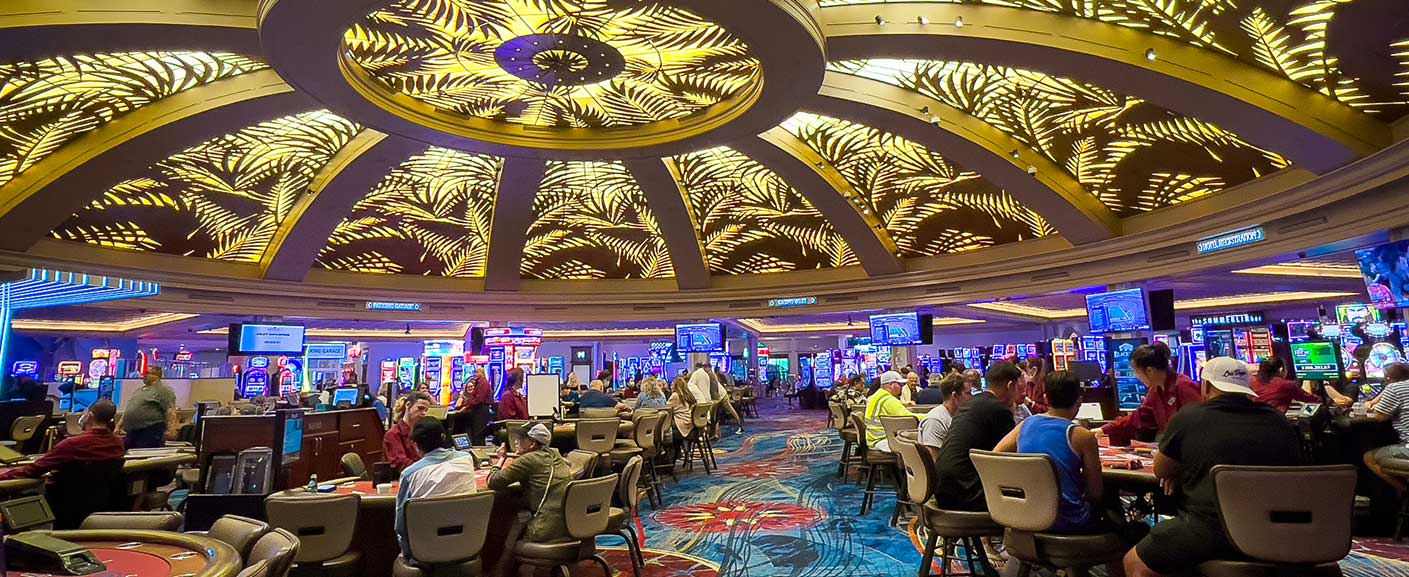
Mondial Casino Canada: A Cultural Perspective on Online Gaming
Mondial Casino Canada represents a unique convergence of cultural perceptions and modern gambling practices. As a premier online gaming platform, it reflects the growing acceptance of digital gambling within Canadian culture. With a diverse array of games, including over 850 slot games and live dealer experiences, it caters to varying tastes and preferences, embodying the evolving attitudes toward gambling in the digital age.
The site offers generous promotions, including free spins and welcome bonuses, appealing to a wide audience. This accessibility aligns with the cultural shift towards viewing gambling as a form of entertainment rather than solely a means of financial gain. By prioritizing user experience with features like fast CAD withdrawals and 24/7 customer support, Mondial Casino Canada creates an inviting environment for both seasoned players and newcomers, further normalizing online gambling in contemporary society.
Overall, Mondial Casino Canada serves as a case study in how cultural perceptions shape gambling attitudes. It reflects a broader trend towards accepting online gaming as a valid form of leisure while emphasizing responsible gaming practices. This dynamic interplay of culture, technology, and individual choice continues to influence the evolving landscape of gambling, particularly within Canada’s unique cultural context.