
Cultural views on gambling How they shape our perception and behavior
Understanding Gambling Across Cultures
The perception of gambling varies significantly around the world, influenced by cultural norms, values, and historical context. In some cultures, gambling is seen as a harmless pastime, a form of entertainment that can enhance social bonding. Many people find themselves engaged in the excitement of places where they can enjoy the experience of a real casino online. In contrast, other societies view it with skepticism or outright disapproval, associating it with moral decay and societal issues.
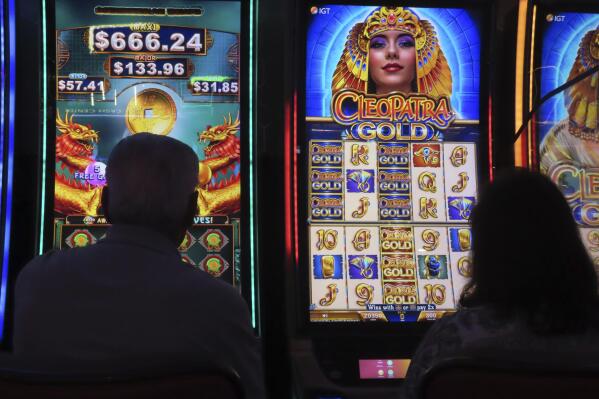
This divergence is often rooted in religious beliefs and societal structures. For instance, in many Asian cultures, gambling is intertwined with traditional festivals, while in Western societies, it is more commonly associated with casinos and sports betting. Understanding these cultural perspectives helps contextualize the behavior and attitudes towards gambling.
The Influence of Religion on Gambling
Religion plays a pivotal role in shaping cultural views on gambling. In many cultures, religious doctrines guide moral conduct and influence social attitudes towards gambling. For example, Christianity often condemns gambling as a vice, emphasizing stewardship and caution against greed. Conversely, some indigenous cultures incorporate gambling into spiritual practices, viewing it as a way to connect with the divine.
As a result, religious attitudes can either hinder or promote gambling activities, affecting legislation and community acceptance. These differences create a complex landscape where the same activity can be interpreted in entirely different ways, based on one’s cultural and religious background.
Social Dynamics and Gambling Perception
Social dynamics also significantly impact how gambling is perceived and practiced. In communities where gambling is prevalent, it can become a shared experience, fostering camaraderie and social interaction. Alternatively, in cultures where gambling is stigmatized, individuals may feel isolated or judged for their participation.
Peer pressure and social acceptance play crucial roles in shaping gambling behaviors. In societies where gambling is normalized, individuals may be more likely to engage in it, often influenced by family and friends. Conversely, in more conservative settings, the fear of social backlash can deter individuals from participating in gambling activities.
Economic Factors and Gambling Behavior
The economic landscape of a culture can also significantly influence perceptions and behaviors related to gambling. In economically disadvantaged areas, gambling might be viewed as a potential escape from financial struggles, often leading to a higher incidence of problem gambling. Conversely, in wealthier regions, gambling can be perceived as a luxury activity, associated with leisure and entertainment.
Additionally, government regulations and taxation on gambling can shape how it is experienced within a culture. Regions with legal gambling industries may promote it as a source of revenue and tourism, altering public perception and encouraging more widespread participation in gambling activities.

Exploring Our Website’s Perspective on Gambling
At our website, we aim to provide a balanced view of gambling across cultures, recognizing its complexities and the diversity of opinions surrounding it. We believe that understanding cultural perspectives on gambling can foster more informed discussions and healthier attitudes towards this activity.
Through our resources, we encourage users to explore the multifaceted nature of gambling, its implications, and the varying perceptions that exist globally. Our goal is to create a space for dialogue, education, and reflection on the cultural dimensions of gambling, ultimately promoting a deeper understanding of this intriguing aspect of human behavior.